
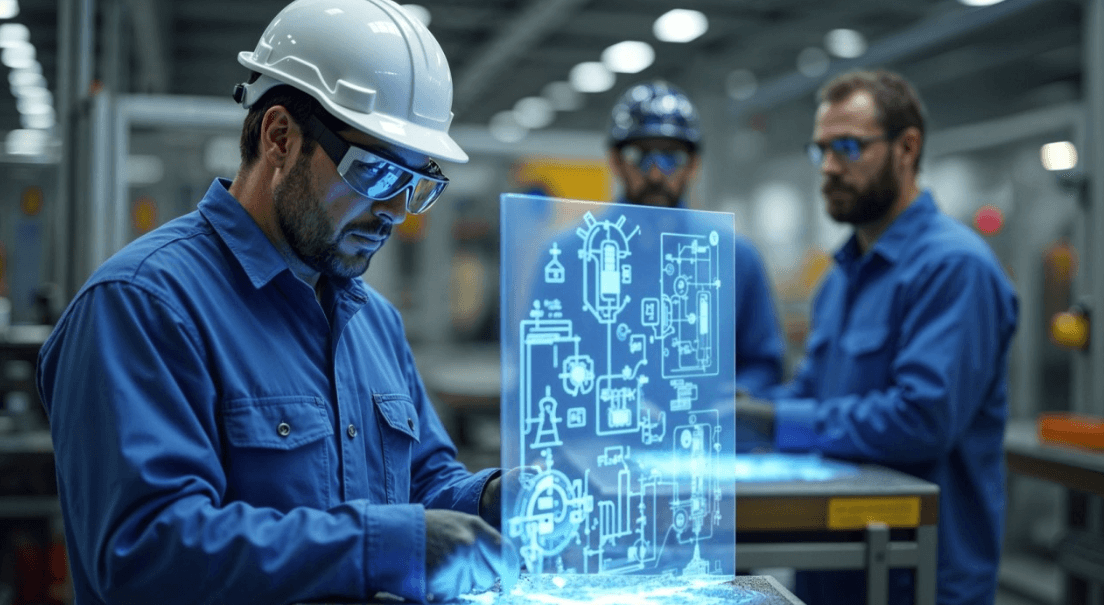
AI-Enabled Smart Factories & Predictive Maintenance
AI-enabled smart factories represent a significant shift in manufacturing processes. By utilizing predictive maintenance, these factories can effectively anticipate equipment failures. This proactive approach minimizes costly downtimes and optimizes resource allocation. As industries adopt this technology, the implications for operational efficiency and competitive positioning become increasingly profound. Understanding the nuances of these advancements reveals critical insights into the future of manufacturing. What specific strategies will emerge as key differentiators in this evolving landscape?
The Role of AI in Smart Factory Operations
As manufacturing industries increasingly embrace automation, the integration of artificial intelligence (AI) has emerged as a transformative force in smart factory operations.
AI optimization enhances production efficiency by leveraging real-time analytics to streamline processes and reduce waste.
This data-driven approach allows manufacturers to make informed decisions swiftly, fostering an environment where adaptability thrives and operational freedom is prioritized, ultimately driving competitive advantage.
See also: AI-Driven Personalization Across Platforms
Benefits of Predictive Maintenance in Manufacturing
While traditional maintenance strategies often rely on scheduled downtime, the adoption of predictive maintenance in manufacturing offers a proactive approach that significantly enhances operational efficiency.
This methodology not only facilitates substantial cost savings by minimizing unplanned breakdowns but also promotes equipment longevity through timely interventions.
Consequently, manufacturers can optimize their resources, ensuring both the reliability of operations and the freedom to innovate without constraints.
Future Trends in AI and Predictive Maintenance
What innovations lie ahead for AI and predictive maintenance in the manufacturing sector?
Future trends indicate a significant rise in autonomous systems, enhancing operational efficiency and reducing downtime.
Data analytics will play a crucial role, providing real-time insights that enable proactive maintenance strategies.
This evolution not only optimizes resource allocation but also empowers organizations to embrace a more agile and responsive manufacturing environment.
Conclusion
In the realm of manufacturing, AI-enabled smart factories serve as a lighthouse, illuminating the path to efficiency and resilience. Predictive maintenance acts as the vigilant guardian, foreseeing storms of equipment failure before they disrupt operations. As manufacturers navigate the turbulent seas of market demands, the integration of these advanced technologies fosters a culture of continuous improvement, akin to a ship that adapts its sails to the winds of change, ensuring it remains steadfast and competitive in an ever-evolving industrial landscape.