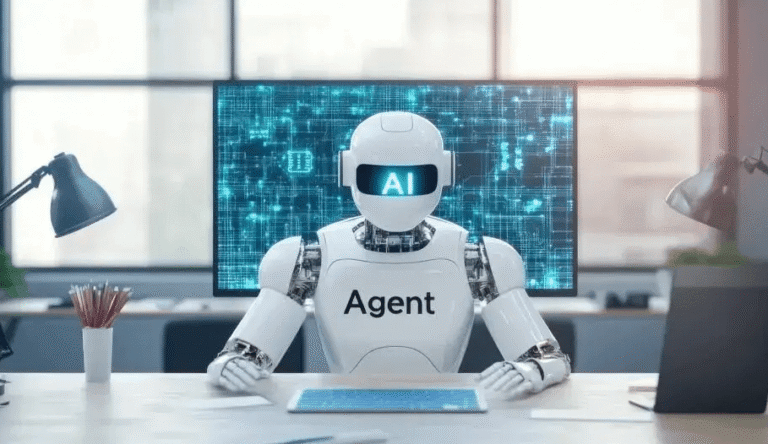

AI-Enhanced Assistive Tech for Accessibility
AI-enhanced assistive technology is reshaping accessibility for individuals with disabilities. Through advanced features like speech recognition and smart home automation, these innovations facilitate greater independence. Users can interact more effectively with their environments and manage daily tasks seamlessly. However, as these technologies evolve, new challenges and opportunities arise. What implications do these advancements hold for the future of inclusivity and personal empowerment?
The Role of AI in Enhancing Communication
Although communication barriers have long posed challenges for individuals with disabilities, advancements in artificial intelligence (AI) are rapidly transforming how these barriers are addressed.
Innovative speech recognition technologies enable individuals to articulate thoughts more freely, while language translation tools facilitate broader communication across diverse languages.
These AI-driven enhancements not only empower users but also foster inclusivity, breaking down the walls that previously hindered meaningful interactions.
See also: Ai-Enabled Virtual Companions: Will You Chat With a Robot?
Innovative Mobility Solutions Powered by AI
Advancements in AI are not limited to communication; they also extend into the realm of mobility, revolutionizing how individuals with disabilities navigate their environments.
Smart wheelchairs equipped with autonomous navigation systems empower users to traverse complex spaces independently and safely.
Transforming Daily Tasks With Smart Assistive Technologies
As technology continues to evolve, smart assistive technologies are increasingly transforming daily tasks for individuals with disabilities, providing them with tools that enhance independence and efficiency.
Smart home systems facilitate task automation, allowing users to control their environments seamlessly. From voice-activated devices to automated scheduling, these innovations empower individuals, fostering a sense of autonomy and enabling them to navigate daily challenges with greater ease.
Conclusion
In the ever-evolving landscape of accessibility, AI-enhanced assistive technologies serve as a guiding compass, leading individuals with disabilities toward greater independence. Just as a lighthouse illuminates the path for ships navigating stormy seas, these innovations—like smart wheelchairs and voice-activated devices—help users overcome obstacles in their daily lives. As AI continues to advance, it promises to further refine these tools, transforming the way individuals interact with their environment and enhancing their overall quality of life.